Finding a reliable used car on a tight budget can be challenging, especially for seniors who want a safe, comfortable, and affordable vehicle for everyday transportation. Whether you need a car for grocery shopping, medical appointments, visiting family, or running errands, purchasing a used vehicle for under $1,000 may seem like an attractive option.
However, at this price point, finding a dependable vehicle requires careful research, patience, and a thorough inspection. Most cars available for less than $1,000 are older, have high mileage, or may need repairs. The key is to look for a vehicle with a solid maintenance history and no major mechanical problems.
In this guide, we will explore what seniors should look for when buying an inexpensive used car, which older models may be worth considering, and how to avoid costly mistakes.
Can Seniors Find a Reliable Used Car Under $1,000?
Yes, it is possible to find a running used car for under $1,000, but the options are usually limited. Availability depends on your location, the local used-car market, the vehicle’s condition, and whether you are buying from a private seller or a dealership.
At this price, you may find older sedans, compact cars, or vehicles being sold by owners who need to sell quickly. Some cars may be mechanically sound but have cosmetic damage, while others may require immediate repairs.
Before purchasing any vehicle, remember that the advertised price is only part of the total cost. Insurance, registration, taxes, maintenance, and unexpected repairs can increase your overall expenses.
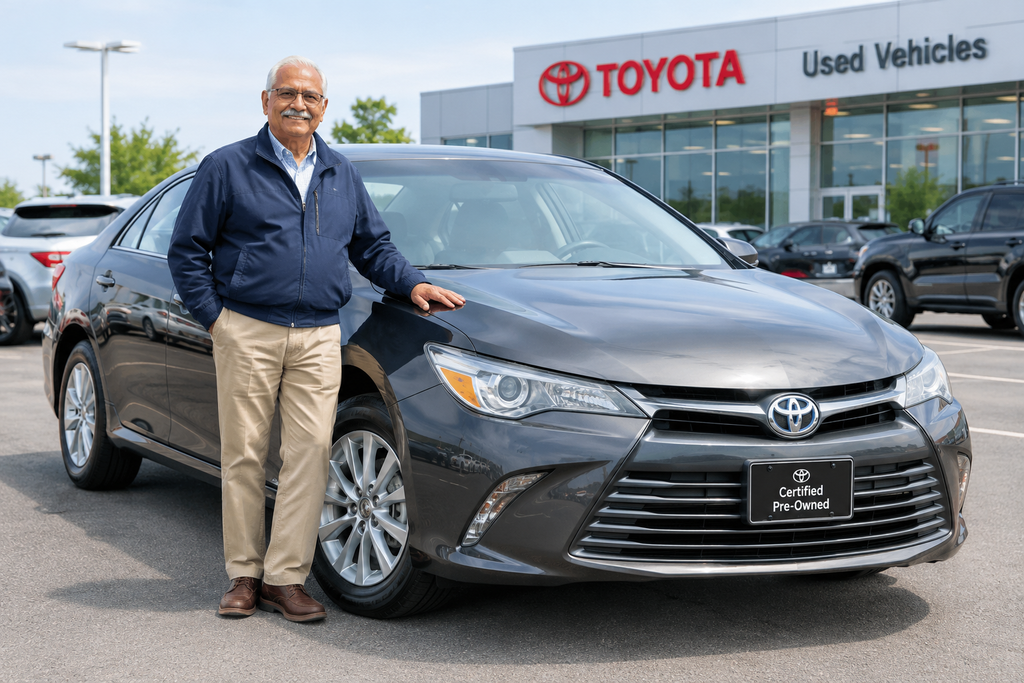
Best Used Cars Seniors Can Consider Under $1,000
The following older vehicles may be worth researching in the used-car market. Their availability, condition, and prices vary significantly, so none should be assumed to cost less than $1,000 in every location.
1. Toyota Corolla
The Toyota Corolla has a long-standing reputation for practicality and fuel efficiency. Older models may be suitable for seniors looking for a straightforward vehicle for everyday driving.
Potential advantages:
- Generally economical fuel consumption.
- Compact size that can make parking easier.
- Widely available replacement parts in many markets.
- Simple controls on many older models.
What to check: Inspect the engine, transmission, cooling system, suspension, and maintenance records. Older Corollas can still have serious mechanical problems if they have not been maintained properly.
2. Honda Civic
The Honda Civic is another compact car worth considering. Older versions can offer practical transportation for shopping trips, appointments, and short journeys.
Potential advantages:
- Convenient size for urban driving.
- Good fuel economy on many older models.
- Practical passenger and storage space.
- Broad availability of repair information and replacement parts.
What to check: Look for signs of overheating, oil leaks, transmission problems, rust, and neglected maintenance. A professional inspection is especially important for vehicles with high mileage.
3. Ford Focus
Depending on the model year and local market, an older Ford Focus may be available at a budget-friendly price.
Potential advantages:
- Compact dimensions.
- Comfortable seating in many versions.
- Convenient access to common vehicle controls.
- Potentially affordable replacement parts.
What to check: Research the specific model year’s reliability, inspect the transmission and suspension, and check for warning lights. Some versions have known transmission concerns, so do not assume every Focus is a good bargain.
4. Chevrolet Impala
Seniors who prefer a larger vehicle may want to investigate older Chevrolet Impala models.
Potential advantages:
- More interior room than many compact cars.
- Comfortable seating in certain model years.
- A larger cabin that may suit drivers who dislike cramped vehicles.
What to check: Larger cars can consume more fuel and cost more to maintain. Examine the engine, transmission, brakes, tires, and suspension before buying.
5. Buick LeSabre
An older Buick LeSabre may appeal to seniors who prioritize a comfortable ride and a spacious interior.
Potential advantages:
- Comfortable seating in many versions.
- Spacious cabin.
- Smooth ride on suitable road surfaces.
- Potentially attractive prices in some local markets.
What to check: Because these cars can be quite old, inspect the cooling system, engine, transmission, electrical components, and underbody for rust. Confirm that the vehicle’s safety equipment works correctly.
6. Mercury Grand Marquis
The Mercury Grand Marquis is another older sedan that some budget-conscious buyers may encounter.
Potential advantages:
- Spacious seating.
- Comfortable ride.
- Large doors and a roomy cabin in many versions.
What to check: Its larger size may make parking difficult for some drivers, and fuel costs may be higher than those of a compact car. Inspect the brakes, suspension, steering, tires, and drivetrain carefully.
Remember: These models are suggestions for research, not guaranteed recommendations. A well-maintained car of another make may be a much better purchase than a neglected example of any vehicle listed above.
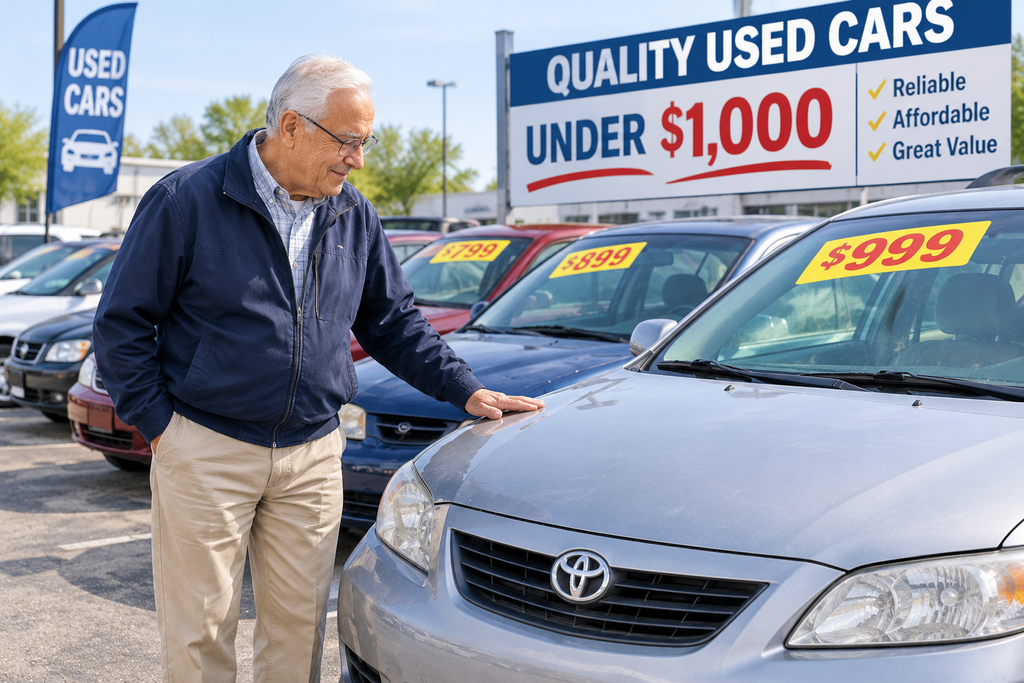
What Seniors Should Look for in an Affordable Used Car
When buying a vehicle on a limited budget, seniors should focus on safety, comfort, ease of use, and mechanical condition.
1. Easy Entry and Exit
Getting in and out of a car should feel comfortable and natural. Very low seats can make standing up difficult, while excessively high vehicles may be challenging to enter.
Look for a car with:
- Comfortable seat height.
- Wide door openings.
- Seats that provide adequate support.
- Sufficient legroom.
- A steering wheel that can be adjusted appropriately.
Always sit in the driver’s seat and test entering and exiting before making a decision.
2. Good Visibility
Clear visibility is essential for safer driving.
Check whether the driver has a good view of the road, mirrors, and surrounding traffic. Large blind spots, damaged mirrors, and cloudy headlights can make driving more difficult.
Before buying, inspect the windshield, side windows, mirrors, headlights, and taillights.
3. Reliable Brakes and Tires
Brakes and tires are critical safety components. Worn tires or faulty brakes can turn an inexpensive vehicle into a dangerous purchase.
Check for:
- Adequate tire tread.
- Uneven tire wear.
- Cracked or damaged tires.
- Brake warning lights.
- Grinding, squealing, or unusual brake noises.
- A brake pedal that feels unusually soft.
Have a qualified mechanic inspect the braking system before driving the vehicle regularly.
4. Comfortable Seats and Simple Controls
A car should be comfortable enough for everyday journeys.
Look for supportive seats, easy-to-read dashboard displays, accessible climate controls, and a steering wheel that feels comfortable to use.
If possible, test the vehicle on a short drive to determine whether the seat position, pedals, steering, and visibility meet your needs.
5. Working Safety Equipment
Do not overlook basic safety equipment when buying a very inexpensive car.
Check the condition and operation of:
- Seat belts.
- Airbags and the airbag warning light.
- Headlights and brake lights.
- Windshield wipers.
- Mirrors.
- Door locks.
- Tires and brakes.
Older vehicles may lack modern driver-assistance technologies. If a vehicle has an airbag warning light or other unresolved safety issue, have it diagnosed before purchasing.
Where Can Seniors Find Used Cars Under $1,000?
Finding a vehicle at this price may require searching several sources and comparing multiple listings.
Private Sellers
Private sellers sometimes offer lower prices than dealerships. Local classified advertisements, community noticeboards, and online marketplaces can help you locate vehicles nearby.
Ask the seller why the car is being sold, how long they have owned it, and whether maintenance records are available.
Arrange to inspect the car in daylight and take a trusted friend or family member along if possible.
Local Used-Car Dealerships
Some independent dealerships sell older, inexpensive vehicles. However, a car advertised at a low price may have additional fees or require repairs.
Before agreeing to purchase, ask about the total price, the vehicle’s history, any warranty, and whether an independent mechanic can inspect it.
Read all paperwork carefully and avoid pressure to make an immediate decision.
Local Auctions
Government, municipal, and other vehicle auctions may occasionally offer inexpensive cars. However, many auction vehicles are sold as-is, and buyers may have limited opportunities to inspect them.
Check the auction’s rules, fees, title requirements, and inspection arrangements before bidding.
Family and Community Recommendations
Ask relatives, friends, and trusted community members whether they know someone selling an older vehicle.
Buying through a personal recommendation may make it easier to learn about the vehicle’s history, although an independent mechanical inspection is still essential.
How to Inspect a Used Car Before Buying
A thorough inspection can help you avoid unexpected repair bills.
Step 1: Check the Vehicle’s History
Ask for the vehicle identification number (VIN), where applicable, and review the available history records.
Depending on the country, you may be able to check previous ownership, accident records, title status, outstanding finance, or reported odometer readings.
Make sure the seller has the legal right to sell the vehicle and that the ownership documents are genuine.
Step 2: Inspect the Exterior
Walk around the vehicle and look for rust, dents, damaged lights, mismatched body panels, and signs of previous collision repairs.
Pay particular attention to structural rust around the frame, floor, and other important areas.
Step 3: Check Under the Hood
Look for fluid leaks, damaged belts, corroded battery terminals, and signs of poor maintenance.
If possible, arrange for the engine to be inspected when it is cold. An engine that has already been warmed up may make certain starting problems harder to identify.
Step 4: Start the Engine
Listen for unusual knocking, rattling, or persistent mechanical noises.
Check the dashboard for warning lights and watch for excessive exhaust smoke. Do not ignore signs of overheating or fluid leaks.
Step 5: Take a Test Drive
If the car is roadworthy, insured, and legally permitted to be driven, take a short test drive.
Check whether the steering feels predictable, the brakes work properly, and the transmission changes gears smoothly. Listen for unusual noises from the suspension.
Never test-drive a car that appears unsafe to operate.
Step 6: Get a Professional Inspection
An independent mechanic can identify problems that may not be obvious during a casual inspection.
Although an inspection costs money, it may help you avoid a much larger repair bill later.
If the seller refuses a reasonable independent inspection, consider walking away.
Hidden Costs of Buying a Car Under $1,000
The purchase price is only one part of owning a car. Seniors should calculate the total expected cost before committing to a purchase.
Potential expenses include:
- Registration and taxes: Fees depend on your location and the vehicle.
- Insurance: Premiums vary based on driving history, location, vehicle, and coverage.
- Fuel: Older vehicles may consume more fuel than newer models.
- Maintenance: Oil changes, filters, belts, and other routine services may be needed.
- Repairs: Batteries, tires, brakes, suspension parts, and cooling-system components can require attention.
- Inspection fees: Some locations require roadworthiness or emissions testing.
- Emergency expenses: Unexpected mechanical failures can occur even after an inspection.
For example, imagine you purchase a vehicle for $800 and spend another $600 on immediate maintenance and repairs. Your initial outlay becomes $1,400 before insurance, registration, fuel, and future maintenance.
This is why comparing the vehicle’s total expected cost is more useful than focusing on the advertised price alone.
Is a Car Under $1,000 Safe for Seniors?
A low purchase price does not automatically mean a vehicle is unsafe. However, cars in this price range are often older and may have worn components, outdated safety features, or unresolved mechanical problems.
Safety should always come before price.
Before buying, make sure the vehicle has functioning brakes, sound tires, working lights, effective seat belts, and properly functioning safety systems.
If possible, choose a vehicle with a clean maintenance history and have it inspected by a qualified mechanic.
If the vehicle has major structural damage, serious brake problems, defective airbags, or significant mechanical faults, it may not be worth buying even at a very low price.
Alternatives if You Cannot Find a Suitable Car Under $1,000
If no suitable vehicle is available within your budget, consider these alternatives.
Increase Your Budget Slightly
Saving additional money may give you access to vehicles in better condition. Even a modest increase in your budget can expand the number of vehicles available, depending on your local market.
However, do not assume that a more expensive car is automatically more reliable.
Consider a Trusted Family Vehicle
If a family member has an extra vehicle, you might be able to arrange an affordable purchase or shared-use agreement.
Make sure ownership, insurance, maintenance responsibilities, and other arrangements are clearly understood.
Compare Local Transportation Options
For occasional trips, taxis, public transportation, community transportation programs, and senior transportation services may cost less than maintaining an older car.
Availability depends on where you live.
Look Into Assistance Programs
Some communities and nonprofit organizations offer transportation assistance to older adults. Contact local senior centers, social-service organizations, or community agencies to learn whether any programs are available.
Tips for Seniors Buying a Cheap Used Car
Keep these practical tips in mind before making a purchase:
- Set a total budget that includes repairs, registration, insurance, and maintenance.
- Research several vehicles instead of choosing the first inexpensive listing.
- Ask for maintenance records and ownership documents.
- Avoid sellers who pressure you to pay immediately.
- Never send a deposit before verifying the seller and vehicle.
- Do not buy a car without checking its mechanical condition.
- Compare insurance costs before completing the purchase.
- Make sure the car is comfortable to enter, exit, and drive.
- Check for outstanding recalls where records are available.
- Walk away if the vehicle has serious safety problems or the seller refuses reasonable checks.
Frequently Asked Questions
1. Can I buy a reliable used car for under $1,000?
Yes, it is possible, but finding a reliable vehicle at this price can be difficult. Availability depends on the local market, the car’s condition, mileage, and maintenance history. A professional inspection is strongly recommended.
2. What is the best used car for seniors on a very low budget?
Older Toyota Corolla and Honda Civic models may be worth researching because of their practicality and the availability of repair information and parts in many markets. However, the individual vehicle’s condition matters more than its brand.
3. Should seniors buy a car with high mileage?
High mileage does not automatically make a vehicle unreliable. A high-mileage car with good maintenance records may be a better choice than a lower-mileage car that has been neglected.
Always inspect the engine, transmission, suspension, brakes, and other major components.
4. Is it better to buy from a private seller or a dealership?
Both options have advantages and disadvantages. Private sellers may offer lower prices, while dealerships may provide more formal paperwork or limited warranty options.
Compare the total price, available history, seller reputation, and inspection opportunities before deciding.
5. What should seniors avoid when buying an inexpensive car?
Avoid vehicles with serious structural rust, faulty brakes, unresolved airbag problems, major engine or transmission issues, suspicious ownership documents, or unexplained odometer discrepancies.
Be cautious of deals that seem unusually cheap and sellers who refuse independent inspections.
6. Should I spend my entire budget on the purchase price?
No. Whenever possible, keep money available for registration, insurance, routine maintenance, and unexpected repairs. If buying the car leaves you unable to address an important safety issue, reconsider the purchase.
Final Thoughts
Finding reliable used cars under $1,000 is challenging, but careful research can help seniors make a more informed decision.
Older vehicles such as the Toyota Corolla, Honda Civic, Ford Focus, Chevrolet Impala, Buick LeSabre, and Mercury Grand Marquis may be worth researching, depending on local availability and individual condition.
Before buying, prioritize safety, comfort, maintenance history, and mechanical condition. Compare several vehicles, verify the paperwork, and arrange an independent inspection whenever possible.